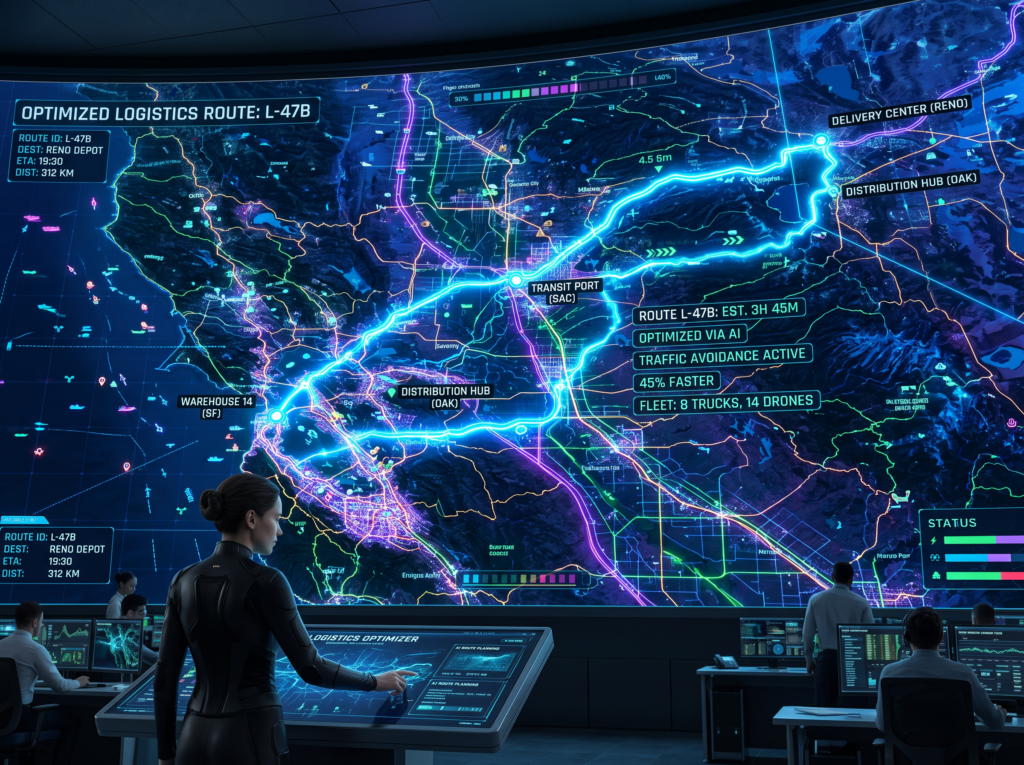
Rural parts of the country have always posed a unique challenge to logistics companies fighting to keep operating costs low. With low population density, poor infrastructure, and high fuel consumption, rural final-mile deliveries can cost up to three times more than urban and suburban deliveries. These issues have only been worsened by recent changes in the industry, such as an agreement between Amazon and the U.S. Postal Service reached earlier this year.
USPS Facing Cost Challenges as Amazon Cuts Package Volume by 20%
The New York Times reports that, as of April, Amazon has cut the volume of packages it ships through the U.S. Postal Service by 20 percent under a new deal between the two companies. Amazon has long relied on the Postal Service to handle final-mile deliveries across the United States, and business professionals have expressed concern over whether the new deal will be financially beneficial for USPS. As Dr. DeHoratius, a professor at Columbia Business School, put it when speaking to CNBC: “My concern is whether U.S.P.S. is effectively pricing this valuable service,” referring to the agency’s final-mile deliveries. The Postal Service is already in a worrying financial state, having reported a $9 billion annual loss as of November 2025, and this agreement with Amazon could end up hurting consumers as well, especially those in rural areas.
According to CNBC, these changes will force USPS to spread the cost of its nationwide delivery network across fewer packages, putting pressure on both pricing and service levels. To offset that cost, the Postal Service will likely need to either raise prices or cut back on certain services. Those cuts are most likely to hit areas that are already expensive to serve, like rural locations. In practice, that means rural consumers and small businesses could see higher delivery rates, fewer postal services, or both.
As these pressures build, logistics companies will need to find a way to keep rural deliveries sustainable. Could AI-based route planning be the solution?
How AI Route Planning is Optimizing Deliveries Per Route and Cutting Costs
AI is now embedded in day-to-day operations at most logistics companies, helping them optimize performance and maximize efficiency. AI software can be used for a wide range of tasks, from predictive analytics and demand forecasting to route optimization and last-mile delivery. Of these, AI’s application in route optimization and final-mile delivery could be especially key to cutting rural delivery costs.
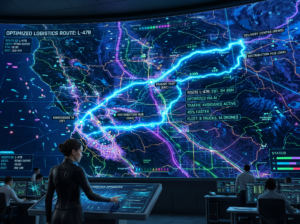
With AI-based route planning, logistics companies can shift from static, fixed delivery schedules to dynamic routing algorithms. These systems process ever-changing variables, such as traffic, weather disruptions, road closures, and specific delivery windows, continuously re-routing drivers along the fastest path available. The result is lower fuel costs and more deliveries completed per shift. Beyond routing, AI systems can also perform fleet clustering, grouping packages geographically by density and vehicle capacity, which maximizes weight limits and reduces total miles driven.
What are the Possibilities for Rural Deliveries Using AI Route Planning
With all of these small changes, drivers can shave minutes off of each delivery they make. It might seem minor, but at scale, those minutes add up to significant savings for logistics companies as they’re able to maximize the number of deliveries per route.
For consumers living in rural areas, these effects will be felt directly: lower delivery costs and more reliable arrival times. For logistics companies making final-mile deliveries, which face constant pressure to maintain high performance standards while keeping costs down, AI-based route planning offers a path to making rural deliveries at an efficiency level that once seemed impossible.