If you’ve pulled up to a pump lately, you already know the story. According to the U.S. Energy Information Administration, diesel is averaging $6.38 per gallon as of September 28, 2026. The surge is largely tied to the U.S. war in Iran and the Russia-Ukraine war. CNBC reports that diesel prices are up 68% since the Iran war began, as the conflict has choked off oil supply from the region and damaged its refining infrastructure.
Everyone Feels The Impact of Rising Fuel Prices
Consumers are paying more for gas, but that’s only the start. Nearly everything that moves by truck, from groceries to consumer goods, becomes more expensive to ship, and those costs eventually land on store shelves. Economists told CNBC that every $1 increase in the price of a gallon of diesel adds roughly 0.1 percentage points to overall inflation. They expect it to arrive not as a one-time jump but as a slow climb over the next few months, adding strain to household budgets in an already difficult economy.
Farmers and truckers arguably take the hardest hit, because they burn diesel every day just to do their jobs. As Kenneth Gillingham, a Yale professor of environmental and energy economics, put it: “The average person, including myself, doesn’t typically buy diesel fuel, but diesel fuel is crucial for so many parts of our economy.”
Nowhere is that clearer than in trucking, the backbone of the supply chain.
How Small-Trucking Operations are Hit the Hardest by Rising Diesel Costs
Independent owner-operators are hit hardest by rising diesel costs. Large carriers like UPS or J.B. Hunt can buy diesel wholesale through terminal contracts that come with big discounts, or they can pass fuel costs along to retail consumers and enterprise shippers. Small operations usually pay out of pocket at the pump and absorb every extra cent directly.
The cash flow picture makes it worse. Owner-operators often wait weeks to get paid for their routes, and unlike larger companies, they rarely have a deep cushion of capital to absorb a sudden fuel spike. With fuel as their largest variable expense, sustained price increases can threaten the viability of a small business and, in some cases, push owners out of the industry entirely. That matters for the industry as a whole, since small operations make up much of American trucking: according to The New York Times, 92% are small operations, running 10 or fewer trucks.
How Drivers Are Feeling the Pressure of Rising Fuel Prices
Truckers across the country are worried about rising diesel costs, though many are staying hopeful. Fox 26 spoke with drivers at a Houston, Texas truck stop, including Tyrell Robinson, an independent driver of more than eight years. “It’s insane. It’s really hindered a lot of us drivers out here, for sure. Rates are low and plus the fuel is high,” he said. Robinson reports spending over $3,000 a week on diesel, all out of pocket, but he plans to keep trucking and expects prices to improve with time.
Drivers in other parts of the country tell a similar story. WALB News 10 in Albany, Georgia, spoke with Yahathan, a driver of 28 years, who said, “We’re going to automatically spend over $2,000 a week on fuel.” Unlike company drivers, he explained, owner-operators have to watch fuel spending closely to keep their businesses afloat. Because he covers every fuel cost himself, Yahathan has started cutting back on routes to save money.
What Drivers Are Doing to Hedge Against High Fuel Costs
Yahathan isn’t alone. Many drivers report cutting back on routes or being far more selective about the ones they accept. The New York Times reports that drivers are now spending as much as $1,400 per tank, so tightly controlling fuel burn has become essential.
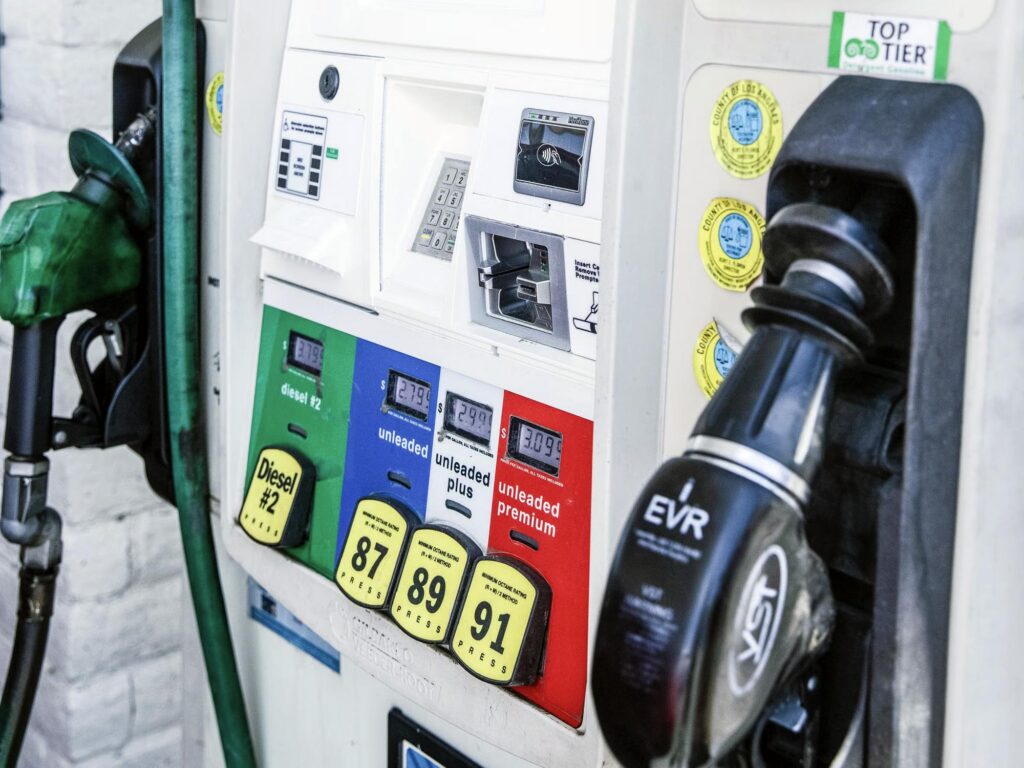
Where you fill up matters too. California is one place many truckers are trying to avoid. According to Fortune, several pumps there have literally maxed out their displays, with diesel reaching $9.999 a gallon. Drivers heading west to east are often advised to skip California and refuel in states like Nevada or Arizona instead. Extra stops are rarely ideal when time is money, but with prices this high, many drivers find the detour worth it.
Rising diesel prices are squeezing owner-operators harder than anyone else in the industry, but the freight still has to move, and independent drivers are the ones moving it. By choosing routes carefully and fueling in the right places, many are finding ways to keep rolling, with hopes that prices will ease soon.