Recent trends in automobile ownership show that drivers are keeping their cars and trucks longer. This phenomenon has been in place since the pandemic. Statistics from the Bureau of Economic Analysis reveal that new car sales have slowed in the past 5 years. The annualized rolling average of automobiles and light truck sales over this period is pegged at 15.5 million units. That is down a little over 13% from 17.7 million pre-pandemic. Data from various sources, including the Bureau of Transportation Statistics and the Federal Highway Administration reveal increasing average vehicle ages. The range is accepted at an average today around 13.6 years, up from just 8.4 years 30 years ago. Because we are driving our cars longer, the demand for automotive parts to keep those cars on the road is on the rise.
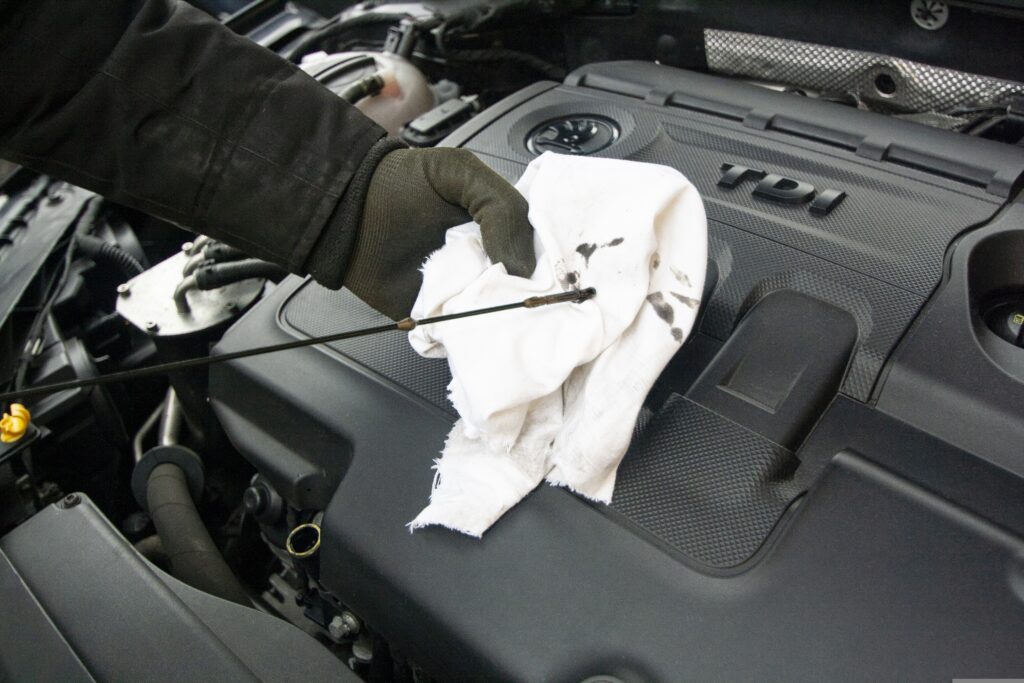
Extending the longevity of our cars means more jobs for automotive repair shops. The increased demand for service puts a premium on automotive aftermarket logistics.
The increased demand for parts and services includes a need within the growing electric vehicle sector, as there is growing demand for EV batteries, electric motor parts, and drivetrain components. EV’s need brakes, suspension parts, tires, and other wear-and tear items just like internal combustion engine automobiles do.
Automotive aftermarket logistics is defined as the supply chain that distributes and delivers parts and services for automobiles after they have left the original manufacturer. Management systems for the flow of parts, handling repairs, warranties, and returns are a component of aftermarket logistics. Efficient delivery to repair shops is a critical factor in keeping our aging cars on the road.
Effective route planning and timely execution of deliveries ensures that repair shops are supplied with just-in-time parts inventories so they can complete maintenance and repairs on time for their customers.
Courier route processes involve expert planning and delivery execution. Great route planning takes into consideration vehicle capacity, traffic patterns, distances, and time windows to create the most effective delivery paths. Key processes include:
- Order scheduling
- Route optimization
- Dispatch expertise
- Driver recruitment and management
- Real-time tracking
- Real-time traffic data
- Great communication with the parts supplier and recipients of the parts
- Great communication with the recipient of the parts
- A method for obtaining feedback from drivers on route challenges
Focusing on these processes and continuously monitoring and refining their approach empowers courier companies to produce greater efficiencies, cost reductions, and customer satisfaction – for the supplier of the parts, the repair shops, and the ultimate beneficiary – the owner of the older automobile.
A courier with the most effective route processes offers automotive aftermarket parts suppliers a competitive edge through their faster, more reliable delivery services.